

Using Motomotar to Understand Car Security Features and Their Cost
India records over 1.5 lakh road accident deaths every year, according to government transport data. Safety matters, and knowing the tech that protects you on the road is critical before you buy. Airbags, ABS, electronic stability systems, and driver assistance tools are no longer luxury add-ons. They shape both survival rates and the final bill you pay at the dealership.
That is where Motomotar becomes useful. The platform breaks down features model by model, helping buyers see how safety tech affects pricing across cities. For example, when reviewing the Hyundai Creta, you can clearly compare variants, understand which trims include six airbags or advanced driver assistance systems, and see how those upgrades influence on road prices Delhi and other major markets.
Breaking Down Core Safety Technologies
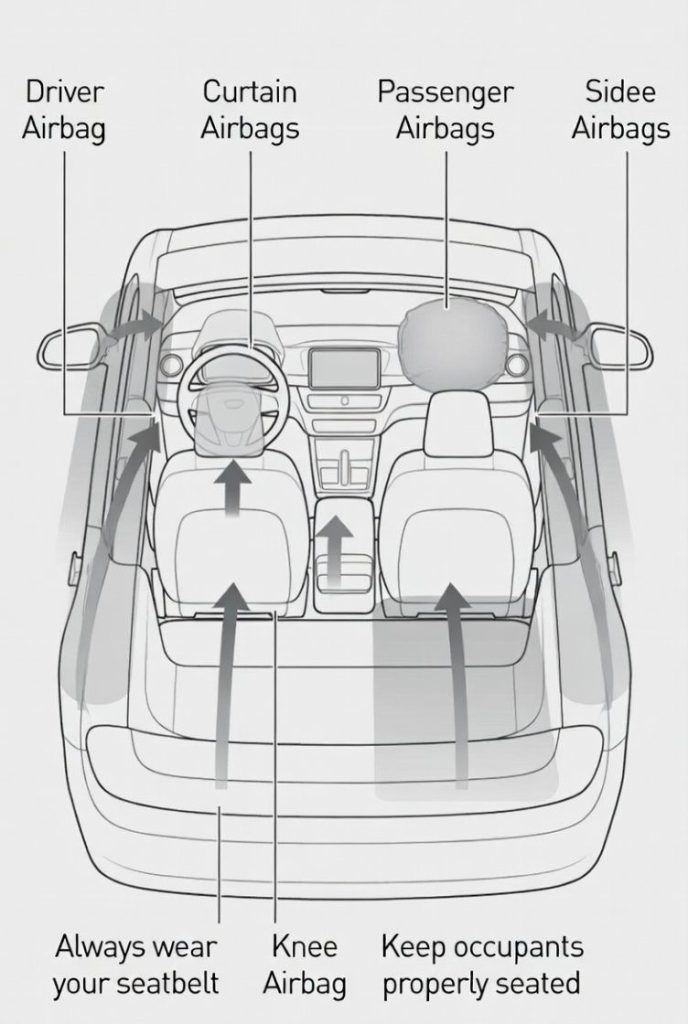
Car security features fall into two broad categories, passive and active safety. Passive systems reduce injury during a crash. Active systems help prevent a crash in the first place. Both impact vehicle pricing.
Passive Safety Features
- Airbags: Dual front airbags are now mandatory in India. Many cars offer side and curtain airbags in higher variants. Each additional airbag adds to manufacturing cost, which reflects in the ex-showroom price.
- Seatbelt pretensioners and load limiters: These tighten seatbelts during impact. They are standard in many mid-range models.
- Strong body structure: High-strength steel and reinforced crumple zones improve crash test ratings. Better crash scores often justify a higher price tag.
Adding four extra airbags can increase the variant price by several thousand rupees. While that seems significant, the long-term value in terms of safety is hard to ignore.
Active Safety Features
- ABS with EBD: Anti-lock braking systems prevent wheel lock during sudden braking. EBD balances brake force. This is standard in most modern cars.
- Electronic Stability Control: Helps maintain control during sharp turns or slippery conditions.
- ADAS: Advanced Driver Assistance Systems include lane assist, adaptive cruise control, and emergency braking.
ADAS features are usually offered in top variants. They can raise the price by a noticeable margin. Motomotar explains which variants include these features and whether the cost jump is justified for daily city driving or highway use.
How Safety Features Influence On Road Prices
Ex-showroom price is only part of the story. Registration charges, insurance premiums, and road tax shape the final on road prices Delhi buyers pay. Vehicles with higher ex-showroom prices attract higher taxes and insurance costs.
For instance, a mid variant of the Hyundai Creta may offer essential airbags and ABS at a reasonable cost. A top variant with ADAS and additional airbags can push the price higher by over a lakh rupees. That increase also raises insurance premiums because the insured declared value is higher.
Motomotar helps buyers compare these layers. Instead of looking at one number, you see the full ownership picture, including city-specific differences. Road tax in Delhi may differ from Mumbai or Bangalore, which means the same safety package can cost more or less depending on location.
Variation by Model and Market
Safety offerings vary widely across segments. Entry-level hatchbacks often stick to dual airbags and ABS. Compact SUVs and sedans may add side airbags and stability control. Premium SUVs introduce ADAS and 360-degree cameras.
Manufacturers also adjust features based on competition and demand in each market. Urban buyers often expect more technology. As a result, higher trims with advanced systems sell better in metro cities. Motomotar highlights these differences so you can see how one model compares to rivals in the same price band.
Another factor is Bharat NCAP crash ratings. Cars with strong safety scores tend to gain attention. When a model earns a higher rating, demand increases. Sometimes, updated versions come with improved structural safety, which can slightly raise the cost.
Are Advanced Features Worth Paying For?
The answer depends on your driving habits. If you drive mainly within city limits at moderate speeds, core features like ABS, multiple airbags, and stability control should be your priority. They offer strong protection without pushing the budget too far.
If you frequently travel on highways, ADAS features such as lane keep assist and forward collision warning add an extra layer of support. They reduce driver fatigue and help prevent human error. Because modern vehicles rely on connected electronics and software, it’s also important to understand protecting your vehicle’s security from cybercriminals so that these systems remain safe and effective. While such technologies increase the purchase price, they can lower accident risk.
When evaluating a model like the Hyundai Creta, it makes sense to compare mid and top variants carefully. Sometimes the price jump includes cosmetic upgrades along with safety tech. Understanding that split helps you decide whether you are paying for protection or appearance.
Practical Buying Tips for Safety-Focused Owners
- Check how many airbags are standard in the base variant.
- Review crash test ratings before shortlisting a car.
- Compare insurance costs between variants.
- Consider resale value, cars with better safety features often hold value well.
- Use Motomotar to compare city-wise pricing and feature lists side by side.
Safety technology shapes both your driving confidence and your financial commitment. Platforms like Motomotar make it easier to see beyond brochures and marketing claims. When you understand how features affect on road prices Delhi and in other cities, you make a smarter decision. Whether you choose the base or top version of the Hyundai Creta, the key is knowing exactly what you are paying for and why it matters.